
Recently, Uttar Pradesh Chief Minister Yogi Adityanath received a death threat through a WhatsApp message sent to Mumbai’s Traffic Police Control Room. The message, from an unknown number, warned that if Adityanath did not resign within ten days
he would be killed similarly to Maharashtra politician Baba Siddique, who was assassinated last month. This development has led to heightened security for Adityanath as authorities investigate the origin of the threat and attempt to identify the sender.
Baba Siddique
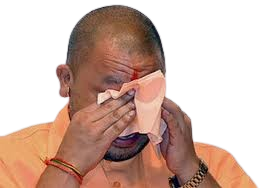
This incident has sparked concern about the security of public figures in India, especially given the political atmosphere following Siddique’s assassination in October, when he was fatally shot outside his son’s office during Dussehra celebrations. The threat has prompted urgent discussions on political safety and security protocols, as it is seen as an alarming reminder of the risks faced by those in high-profile positions.

Law enforcement agencies are working diligently to trace the source of the message and to ensure that preventive measures are in place. Authorities are also urging the public to remain vigilant and report any suspicious activity related to public figures.
Details of the Threat
The threat message referenced the recent tragic death of Baba Siddique, a former legislator and member of the Nationalist Congress Party (NCP), who was shot dead during a Dussehra celebration in Mumbai. Siddique’s murder left a strong impact on the political community and raised questions about the security provided to political figures, especially those in prominent positions. In the case of Adityanath, the WhatsApp message threatened similar consequences, demanding that he leave his position as chief minister. While the identity of the sender remains unknown, the Mumbai Police immediately began investigating the threat and have intensified their efforts to locate the source of the message.
Investigation and Security Measures
The Mumbai Police have launched an extensive investigation into the threat, utilizing digital forensics to trace the origins of the message and attempting to identify any individuals or groups potentially involved. The Uttar Pradesh government has also responded swiftly, heightening Adityanath’s security to ensure his safety. Central agencies are believed to be collaborating with the Mumbai Police to provide support in the investigation, given that such threats involve the highest levels of national security. Security protocols have been strengthened, not only around Adityanath but also in other regions, as authorities remain on alert to avoid any potential harm to political leaders.
Context and Impact on Political Safety
The recent incidents, including Siddique’s murder and the threat against Adityanath, highlight broader concerns about political violence in India. Public figures, especially those in high-profile government positions, often face threats due to the complex and sometimes contentious nature of Indian politics. For Adityanath, who is known for his strong stance on law and order and controversial views on several socio-political issues, the threat underscores the challenges and risks associated with holding high office in the current political environment.
The assassination of Siddique was a high-profile case that caused shock and fear among political circles, as it occurred in a public space. Such incidents raise concerns not only among political figures but also among the public, as they signal potential instability and danger in areas that are typically secured. Following Siddique’s murder, there were calls for stricter security measures and enhanced protection for vulnerable political leaders. In Adityanath’s case, the immediate response to increase his security demonstrates a growing recognition of these risks.
Responses from the Public and Political Community
News of the threat against Adityanath has elicited reactions across the political spectrum. Leaders from various parties have condemned the threat, calling for swift action to find and prosecute those responsible. There is a sense of unity among political figures when it comes to the security and protection of public officials, as threats and attacks could set dangerous precedents if left unchecked. The public, too, has shown concern for Adityanath’s safety, with many people expressing solidarity on social media and calling for an end to political violence.
The threat against Adityanath also draws attention to the role of technology in modern-day threats. Social media and messaging platforms are increasingly being used to communicate dangerous messages, making it essential for law enforcement agencies to adopt advanced technological tools to track and respond to such threats effectively. The use of WhatsApp in this case underscores the challenges of monitoring digital communications, especially those that may contain coded or threatening language.
Broader Implications for Indian Politics
The threat to Yogi Adityanath serves as a reminder of the turbulent and often polarized nature of Indian politics, where leaders can become targets due to ideological differences or disputes over policy. It highlights the importance of a robust security framework that can respond quickly to protect officials and maintain stability. Political analysts believe that incidents like these should encourage a re-evaluation of the security protocols in place for political leaders, especially those who may be at higher risk due to their outspoken positions or controversial policies.
As investigations proceed, the hope remains that the sender will be identified and held accountable, serving as a deterrent to those who may consider similar actions in the future. Meanwhile, Yogi Adityanath’s government continues to address pressing issues in Uttar Pradesh, with a focus on maintaining law and order—a priority that has defined much of Adityanath’s tenure.